 Español
 English
 Français
 Deutsch
 Русский
 Português
 عربي
عربي 日语
日语 한국인
한국인 Melayu
 Tiếng Việt
 Indonesia
 বাংলা
বাংলা 中文
中文
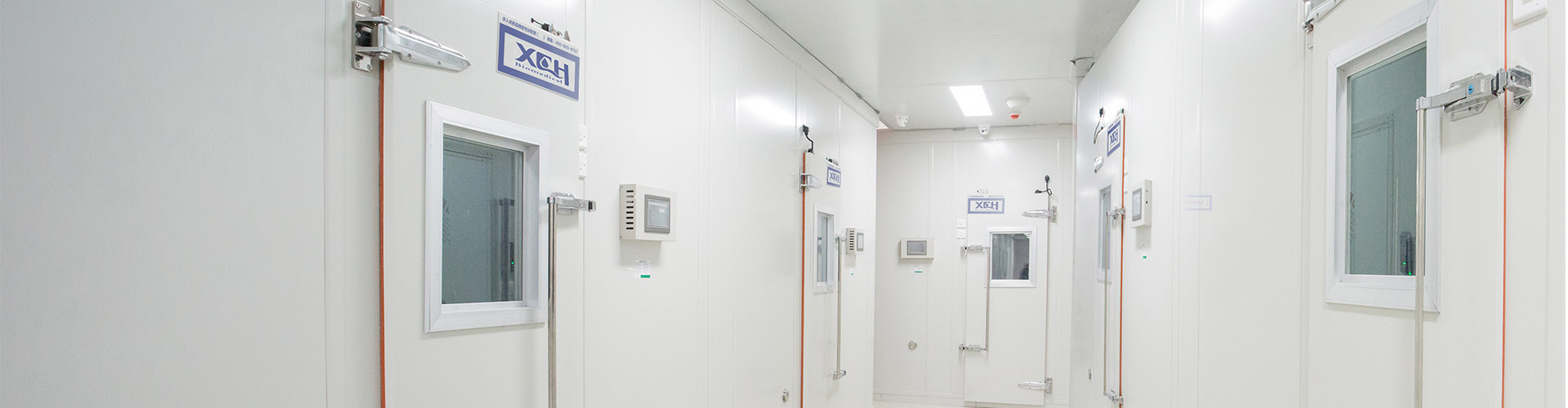
Como el cámara de prueba de baterías Dado el rápido crecimiento del mercado, seleccionar el equipo de prueba adecuado se ha vuelto fundamental para los fabricantes de vehículos eléctricos (VE), almacenamiento de energía y electrónica de consumo. Con baterías cada vez más sofisticadas y requisitos regulatorios más estrictos, elegir la cámara incorrecta puede ocasionar costosos retrasos, incidentes de seguridad o la no superación de las certificaciones.
Esta guía completa te explica todo lo que necesitas saber sobre cámaras de prueba de bateríasDesde conceptos básicos hasta criterios de selección avanzados, le ayudamos a realizar una inversión informada para su centro de pruebas.
A cámara de prueba de baterías Se trata de una cámara ambiental especializada diseñada para simular condiciones extremas de temperatura, humedad y presión, con el fin de probar las baterías a lo largo de su ciclo de vida. Estas cámaras garantizan la seguridad, el rendimiento y la durabilidad de las baterías en condiciones reales.
Acerca de XCH Biomedical: Como fabricante profesional especializado en equipos de control de temperatura y humedad, XCH Biomedical ofrece a la industria global de pruebas de baterías soluciones de cámaras rentables y fiables. Su experiencia en tecnología de simulación ambiental los convierte en un socio de confianza para laboratorios y fabricantes de todo el mundo.
A diferencia de las cámaras ambientales estándar, las cámaras de prueba de baterías deben afrontar desafíos únicos:
Las consecuencias de un fallo en la batería pueden ser graves:
Las baterías de los vehículos eléctricos se someten a pruebas rigurosas para garantizar su seguridad y rendimiento:
El almacenamiento de energía en baterías a escala de red requiere protocolos de prueba diferentes:
Baterías de iones de litio en teléfonos, ordenadores portátiles y tabletas:
Las distintas aplicaciones de baterías requieren diferentes rangos de temperatura:
| Tipo de batería | Rango de temperatura | Pruebas típicas |
|---|---|---|
| Iones de litio (consumidor) | -20°C a +85°C | UN 38.3, IEC 62133 |
| baterías para vehículos eléctricos | -40°C a +85°C | ISO 6469, UN 100 |
| ESS (almacenamiento en red) | -30°C a +60°C | IEC 62619 |
| Entorno extremo | -70°C a +150°C | Militar/aeroespacial |
Consejo profesional: Elija una cámara con un rango de temperatura al menos un 20 % más amplio que sus requisitos máximos para tener en cuenta las reacciones exotérmicas durante las pruebas.
La uniformidad de la temperatura es fundamental para realizar pruebas de batería precisas:
Las pruebas de baterías conllevan riesgos inherentes. Su cámara debe incluir:
| Característica | Objetivo |
|---|---|
| Diseño a prueba de explosiones | Contiene eventos de fuga térmica |
| Sistema de ventilación de gas | Elimina gases inflamables de forma segura. |
| Extinción de incendios | Sistema de extinción automático |
| válvulas de alivio de presión | Evita daños en la cámara |
| Detectores de humo | Sistema de alerta temprana |
La norma UN 38.3 es obligatoria para el envío de baterías de litio a nivel mundial. Las pruebas incluyen:
Norma internacional para las pruebas de rendimiento y seguridad de las celdas de iones de litio para aplicaciones en vehículos eléctricos.
Cubre los requisitos de seguridad para vehículos eléctricos, incluida la protección de la batería.
Normas estadounidenses para la seguridad de las baterías domésticas y comerciales.
Ideal para: Pruebas de rutina, cumplimiento con la norma UN 38.3
Ideal para: Ciclos rápidos de temperatura, pruebas de estrés
Ideal para: Paquetes de baterías grandes, pruebas completas de vehículos
Ideal para: Pruebas de abuso, estudios de fuga térmica
Antes de comprar, verifique estos requisitos críticos:
| Tipo de cámara | Gama de precios | Lo mejor para |
|---|---|---|
| Encimera | $5,000-12,000 | Pruebas celulares |
| Modelo de piso estándar | $8.000-25.000 | Pruebas de módulos |
| choque térmico | $25.000-60.000 | Pruebas de estrés |
| Sin cita previa | $40.000-150.000 | Pruebas de paquetes/sistemas |
| A prueba de explosiones | $30.000-100.000 | Pruebas de abuso |
| Marca | Gama de precios | Especialidad |
|---|---|---|
| XCH Biomedical | $8.000-40.000 | Soporte global y rentable |
| Termotrón | $15.000-80.000 | Grado industrial |
| CSZ | $20.000-90.000 | Experiencia en choque térmico |
| Aglutinante | $25.000-100.000 | Pruebas de precisión |
Seleccionar el correcto cámara de prueba de baterías Es una decisión crítica que afecta la seguridad del producto, el tiempo de comercialización y los costos generales de las pruebas. Concéntrese en:
Siguiendo esta guía y utilizando la lista de verificación, estará preparado para seleccionar una cámara de prueba de baterías que ofrezca resultados fiables durante muchos años.
¿Necesitas ayuda para elegir? Póngase en contacto con el equipo técnico de XCH Biomedical para obtener recomendaciones personalizadas basadas en sus requisitos específicos de prueba de baterías.





 IPv6 RED SOPORTADA